
Contact usGet Started
Snehaja Rajyalaxmi Thapa

Snehaja Rajyalaxmi Thapa

Published entries

A Perfect Storm of Tax Changes in 2026: What Advisers Need to Know

1/22/2026

A Perfect Storm of Tax Changes in 2026: What Advisers Need to Know

A Perfect Storm of Tax Changes in 2026: What Advisers Need to Know A Perfect Storm of Tax Changes in 2026: What Advisers Need to Know What is Causing All These Changes? Expanded Tax Relief and New Deduction Categories Stability in Tax Rates and Brackets Retirement Tax Relief and New Rules for Higher Earner Contributions Administrative and Compliance Developments Planning for 2026: How to Prepare for Upcoming Tax Changes Start planning early Review your retirement savings Get your documentation in order Talk to a professional Conclusion Big changes are coming to how United States pay taxes in 2026. If you work, have a family, save for retirement or own a business, this will affect you. The good news is that understanding what is changing does not require a tax degree. This guide explains the tax changes in straightforward language so you can prepare. In July 2025, Congress passed a major law called the One Big Beautiful Bill Act (OBBBA) . Think of it as a complete redesign of the US tax system. It changes how much tax you owe, what you can deduct from your taxes and how retirement savings work. These are not small tweaks. They are substantial changes that affect virtually every US taxpayer. The Internal Revenue Service (IRS) has already published inflation adjustments applicable to the 2026 tax year. These adjustments affect tax brackets, standard deductions and various other thresholds, helping to mitigate bracket creep and moderating tax liabilities relative to unadjusted figures. For married couples filing jointly, the standard deduction has increased to $32,200 for 2026, providing enhanced shelter for income from taxation. Beyond inflation adjustments, the legislation modifies longstanding provisions affecting itemised deductions. The State and Local Tax (SALT) limit, which has constrained deductions in recent years, has been increased significantly above historical caps under the new framework new limit ($40,400). This change will benefit taxpayers in higher-tax states and those with substantial state or local tax liabilities. The Act introduces targeted relief measures designed to benefit workers and families. New deductions for qualifying overtime and tips income are available beginning with the 2025 tax year and will continue through 2026. These provisions require employers to modify reporting procedures, with separate identification of qualifying overtime and tips income now mandatory. For many working households, these changes could materially reduce overall tax burden. Additional provisions offer relief to seniors. Temporary deductions aimed at reducing or eliminating taxation on Social Security income for many taxpayers are now in place through 2028. These measures acknowledge the specific circumstances of retired individuals and provide meaningful relief during the specified period. Families with children get additional benefits under the new law. The child tax credit which is money the government gives back to families with children, has been adjusted upward. Additionally, the law introduces new tax-favoured savings accounts called Trump Accounts. These accounts work like this: you put money into them to save for your family’s future, and that money grows without being taxed in the same way regular savings would be. This encourages families to save whilst getting tax benefits. For families, these changes mean lower tax bills and better tools for saving money for their children’s future. A significant aspect of the new legislation is its treatment of tax rates. Previously, under prior law, scheduled increases in tax rates were set to take effect in 2026, including a rise of the top marginal rate to 39.6 percent. The OBBA has eliminated these rate increases. Federal tax rates will remain at their current levels, spanning from 10 percent to 37 percent at the top, even as bracket thresholds and deductions are adjusted for inflation. This stability provides important certainty for high-income taxpayers and represents a material departure from previously scheduled policy. If you are retired and receiving Social Security payments, you might have had to pay taxes on part of those payments. This is confusing for many retirees because they have already paid into Social Security during their working years. The new law offers temporary relief through 2028. It introduces deductions aimed at reducing or eliminating taxes on Social Security income for many retired people. What this means in practice is that many retirees will see their tax bills go down. This relief is temporary (it expires after 2028) but gives financial breathing room during those years. In addition to these changes affecting Social Security taxation, there are also significant reforms on the horizon for retirement plan contributions. The SECURE Act 2.0, formally known as the Setting Every Community Up for Retirement Enhancement Act of 2022, is a significant piece of US retirement legislation signed into law in December 2022. Building on the original SECURE Act of 2019, it introduces a range of provisions designed to expand access to retirement savings, increase contribution limits and modify the tax treatment of certain retirement plan features. Many of these changes are being phased in over several years, with some of the most notable provisions taking effect from 2026 onwards. One of the key concepts relevant to these changes is the distinction between traditional and Roth retirement contributions. Traditional 401(k) contributions are made on a pre-tax basis, meaning the amount contributed is deducted from the employee’s taxable income in the year of contribution. Taxes are then paid when funds are withdrawn in retirement. Roth contributions, by contrast, are made with after tax income. There is no immediate tax deduction, but qualified withdrawals in retirement are entirely tax free. The practical effect of the Roth approach is that contributors pay tax upfront rather than deferring it. For many individuals, particularly those who expect to be in a lower tax bracket in retirement, the traditional pre-tax route offers a clear advantage. However, for higher earners or those anticipating stable or rising tax rates, Roth contributions can provide long term benefits by locking in current tax rates and generating tax free growth. Beginning in 2026, the SECURE Act 2.0 introduces a mandatory change affecting higher earning individuals who make catch up contributions to their 401(k) plans. Catch up contributions are the additional amounts that participants aged 50 and over are permitted to contribute above the standard annual limit. Under current rules, these catch-up contributions can be made on either a traditional pre-tax basis or a Roth basis, at the participant’s election. From 2026, however, taxpayers with wages exceeding 145,000 dollars in the prior year will be required to make all catch up contributions on a Roth basis only. The option to make these contributions on a pre-tax basis will no longer be available to those above this income threshold. This change has important planning implications. Because Roth contributions do not generate an immediate tax deduction, higher earning individuals approaching retirement should carefully consider the impact on their 2026 tax liabilities. The loss of the immediate deduction for catch up contributions could result in materially higher taxable income for those affected. Prudent taxpayers should review their retirement savings strategies and consider the timing of any Roth conversions well in advance of 2026 to manage their overall tax position effectively. Beyond substantive tax law changes, the IRS continues to modernise its administration and compliance functions. The Service is adopting technological enhancements, including artificial intelligence (AI) and automation tools, aimed at improving taxpayer services and refining enforcement selection. Whilst these developments are not formal law changes, they carry practical implications for audit selection and compliance risk assessment. Taxpayers and advisers should anticipate heightened documentation requirements and closer scrutiny of certain deduction categories. The confluence of structural changes, inflation adjustments and new deduction categories requires early and comprehensive tax planning. Several areas warrant particular attention. When you file your 2026 taxes in early 2027, everything will be different. Rather than being surprised, spend time now thinking about which deductions and credits apply to you. If you are married, calculate what your new standard deduction means for your tax bill. If you are retired, think about how the Social Security changes help you. Planning now means better outcomes. If you are over 50 and saving for retirement, look at your current strategy. The Roth catch-up contribution change might affect you. Think about whether your current approach still makes sense or whether you should adjust how much you're saving and in what type of account. With the IRS using smarter technology, make sure you have records for any deductions you claim: Keep receipts, bank statements and other documents that prove what you are deducting from your taxes. Tax advisers and accountants understand all these changes and can help you figure out what applies to your specific situation. Everyone's circumstances are different, and personalised advice is worth the cost. The 2026 tax year will bring substantive changes to federal taxation. The OBBA, combined with ongoing administrative modernisation, creates both opportunities and risks for taxpayers. Those who begin planning now, with the guidance of qualified tax advisers, will be best positioned to navigate these changes effectively and ensure compliance whilst optimising their tax positions. Early engagement with this landscape is not merely prudent but essential for sound financial planning in 2026. The key is understanding these changes now so you can prepare. Whether you are a worker earning tips, a parent with children, someone saving for retirement or a retiree, 2026 brings something that affects you. Early planning and professional guidance will help you navigate these changes and keep more money in your pocket. Start thinking about these changes now. Talk to a tax adviser if your situation is complicated. And keep this guide handy as you prepare for the 2026 tax year. Your future self will appreciate the effort. storm-of-tax-changes-in-2026 storm of tax changes in 2026 page Page
Red Flags in Financial Statements: Spotting Money Laundering Risks in the USA

12/29/2025

Red Flags in Financial Statements: Spotting Money Laundering Risks in the USA

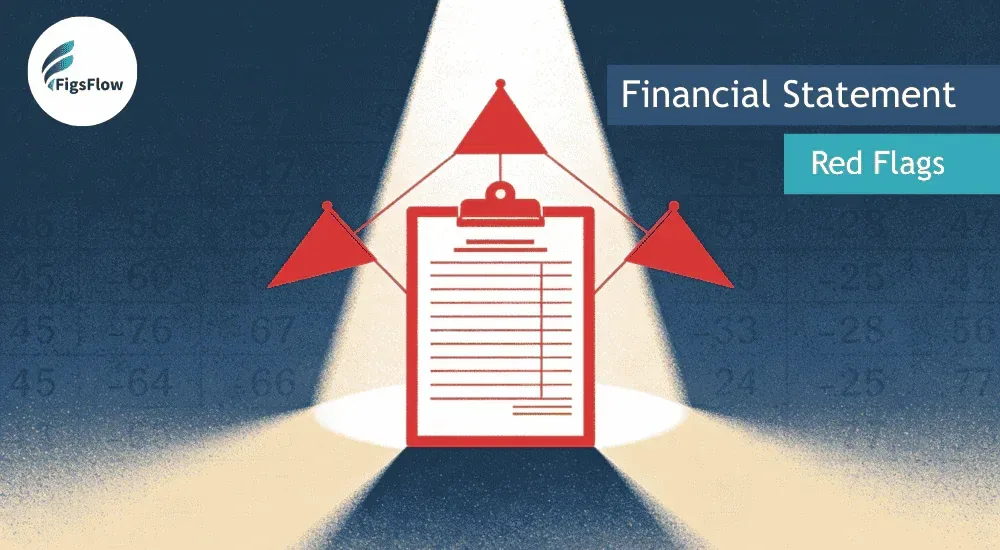
Red Flags in Financial Statements: Spotting Money Laundering Risks in the USA Red Flags in Financial Statements: Spotting Money Laundering Risks in the USA The Framework for Detecting Red Flags in Financial Statements Cash Handling and Reconciliation Issues Revenue Recognition and Unusual Income Streams Inventory and Cost of Goods Sold Anomalies Accounts Receivable and Collection Patterns Fixed Assets and Capital Expenditure Liabilities and Supplier Relationships Intercompany Transactions and Related Party Activity Cash Flow Statement Inconsistencies Practical Considerations for Identifying Red Flags in Financial Statements Additional Resources Conclusion Money laundering remains one of the most persistent compliance challenges facing financial institutions, accounting professionals and regulated businesses across the United States. The process of concealing the origins of illegally obtained funds and integrating them into the legitimate financial system creates substantial risks not only for individual organisations but for the integrity of the broader financial system itself. Financial statements represent a critical point of observation in the anti-money laundering framework. Unlike transaction monitoring systems that focus on real time movement of funds, financial statement analysis provides a retrospective and comprehensive view of an entity’s financial activity over a reporting period. This article examines the key indicators and red flags that should prompt closer scrutiny from accountants, auditors and financial professionals tasked with identifying potential money laundering risks. Money laundering typically progresses through three stages: placement, layering and integration. Placement involves introducing illegally obtained cash or value into the financial system. Layering consists of a series of complex transactions designed to obscure the audit trail and distance the funds from their illicit source. Integration returns the now-laundered funds to the legitimate economy in a form that appears to have a lawful origin. Financial statements capture the net effects of these activities. Whilst individual transactions may pass undetected through transaction monitoring systems, patterns that emerge across a full reporting period often reveal inconsistencies and anomalies that warrant investigation. The key is understanding which statement items and relationships are most vulnerable to manipulation and which departures from normal business patterns should trigger concern. One of the most fundamental red flags involves unusual patterns in cash management. Entities engaged in money laundering often struggle with the placement stage because moving large quantities of physical cash into the banking system attracts regulatory attention. This frequently manifests as significant discrepancies between reported cash holdings and actual bank reconciliations. A business that regularly reports large cash balances but demonstrates inconsistent reconciliation procedures, or that frequently writes off cash shortages, warrants scrutiny. When discrepancies like these occur, they are often clear indicators of red flags in financial statements. Similarly, entities that maintain unusually high petty cash balances or that lack proper segregation of duties in cash handling may be concealing the physical placement of illicit funds. The absence of supporting documentation for cash transactions is particularly concerning. In the wholesale cash businesses, such as retail outlets or hospitality venues, significant variations in the relationship between reported turnover and actual cash deposited should prompt investigation. For instance, a restaurant reporting strong food sales but demonstrating minimal cash deposits or showing substantial cash to accounts receivable ratios that are inconsistent with the business model, suggests that some cash may be circulating outside formal banking channels. These inconsistencies in cash handling are often red flags in financial statements that could indicate deeper issues, such as financial fraud or money laundering. Money launderers frequently require a legitimate appearing source of revenue. This often leads to overstatement of income in the financial statements, particularly from cash generating activities. Several patterns should trigger concern. Unusual or exaggerated revenue streams can often serve as red flags in financial statements, prompting a deeper review of income sources. Firstly, unusually high or increasing gross profit margins within a specific business line, particularly where the margin exceeds industry norms significantly, may indicate that revenue is being inflated or that sales are being recorded at prices inconsistent with market conditions. This is especially suspicious when coupled with corresponding high cash deposits that do not reconcile to inventory movements or customer numbers. Secondly, the emergence of new revenue streams, particularly those denominated in cash or those lacking documentary evidence such as customer invoices or contracts, should be examined closely. The introduction of services or products that sit uncomfortably alongside the entity’s core business activities may reflect an attempt to create plausible justification for incoming funds. Thirdly, related party transactions involving revenue should be scrutinised carefully. Transactions between connected parties at prices that depart from arm’s length values, particularly where payment is made in cash or where the transaction lacks clear commercial rationale, may indicate that funds are being moved through the financial statements rather than representing genuine business activity. These intercompany transactions are often red flags in financial statements and require closer inspection to identify potential money laundering. The relationship between inventory, cost of goods sold and revenue provides important diagnostic information. Money launderers sometimes manipulate these figures to justify inflated revenues or to disguise cash placements as legitimate business activity. Significant write-offs of obsolete inventory, particularly when the inventory appears to have been recently purchased at full value, may indicate that goods were acquired as a pretext for cash movement rather than for actual resale. Similarly, inventory turnover ratios that depart substantially from industry norms, coupled with unexplained variations in cost of goods sold as a percentage of revenue, warrant investigation. Equally concerning is the absence of physical inventory counts or significant differences between perpetual inventory records and physical counts. This suggests either poor internal controls or intentional misrepresentation. When inventory balances are material and supporting documentation is weak, the possibility exists that inventory lines are being used to justify phantom revenues or to inflate asset values. Accounts receivable presents another common vehicle for layering money through financial statements. Several warning signs merit attention. High accounts receivable balances that do not reconcile to known customers, or that cannot be traced to specific invoices or delivery documentation, suggest that receivables may have been created without corresponding genuine sales. These inconsistencies are red flags in financial statements and may indicate efforts to conceal illicit revenue. This is particularly concerning when combined with extended credit terms that are inconsistent with the industry or when customers do not follow typical payment patterns. The age profile of receivables warrants examination. If material receivables remain outstanding for extended periods, particularly when the business operates in a sector where quick payment is the norm, this may indicate that the receivables are non-genuine or that collection is not genuinely anticipated. Conversely, if receivables are regularly written off without collection, this suggests the company is recording fictitious sales and then absorbing the loss to complete the cycle. Related party receivables demand particular attention. Loans or advances to connected parties, shareholders or entities with opaque ownership structures may represent layering transactions where funds are moved through intermediate entities and then returned to the beneficial owner in a disguised form. Capital expenditure decisions can be exploited in money laundering schemes. Several patterns warrant scrutiny. Unusually high capital expenditure levels that depart from the company’s historical patterns or that exceed depreciation charges substantially may indicate that assets are being purchased as a pretext for moving cash. Such discrepancies in capital expenditures are classic red flags in financial statements and warrant further scrutiny to uncover potential fraud. This is particularly suspicious when assets are subsequently disposed of at significant losses, sometimes to related parties, completing a cycle that allows funds to circulate through the financial statements. Assets that are recorded but appear not to be in use, or that are located away from the primary business premises, should trigger investigation. Similarly, assets purchased from related parties at prices that appear to exceed fair value, coupled with no clear operational purpose, may indicate that the transaction is primarily motivated by money movement rather than genuine business acquisition. Depreciation policies that depart from the company’s historical approach or that result in unusually low depreciation charges may be masking the actual consumption of assets or may indicate that assets are not operational despite being recorded on the balance sheet. Unusual patterns in liabilities and supplier relationships often reveal layering activity. Several indicators should prompt concern. Accounts payable balances that significantly exceed inventory levels, or that do not reconcile to plausible supplier relationships, suggest that the company is recording payables for goods or services that were never received. This creates a false deduction and corresponding cash outflow that can represent the reversal of laundered funds. These irregularities in liabilities can be red flags in financial statements, indicating attempts to manipulate financial records. Payments to suppliers in cash or through unusual channels, particularly when documentation is weak or when suppliers cannot be verified, indicate potential money movement. The emergence of new suppliers, particularly those from jurisdictions with weak regulatory oversight, combined with significant purchases at short notice, warrants investigation. Loan facilities from unexplained sources, particularly loans lacking clear repayment schedules or bearing unusual terms, may represent injections of illicit funds. Conversely, loan repayments that significantly exceed the stated loan balance or that occur at irregular intervals may indicate that layered funds are being extracted from the business. Related party transactions present perhaps the greatest vulnerability to money laundering. Multiple warning signs should trigger concern. Significant intercompany transactions that lack clear commercial substance or that occur at prices that depart from arm’s length values indicate possible layering. Transactions between entities with differing jurisdictions, particularly where one entity operates in a high-risk jurisdiction, demand scrutiny. Transfers of funds between related entities that follow no apparent pattern or that are reversed shortly after being recorded suggest that entities are being used as conduits for moving funds rather than as genuine business counterparties. Management fees, consulting fees or service charges that flow from the entity to related parties without clear documentation of services rendered represent a particularly common money laundering mechanism. These transactions lack physical product flows and are therefore difficult to verify through normal audit procedures. The cash flow statement frequently reveals patterns that contradict the income statement or balance sheet. Several discrepancies warrant attention. Operating cash flow that significantly exceeds or falls short of reported net income, particularly when the difference cannot be explained by non-cash charges or working capital movements, suggests manipulation. Such discrepancies in cash flow are key red flags in financial statements and indicate a need for deeper investigation. Similarly, investing and financing cash flows that do not reconcile to corresponding balance sheet movements indicate possible misclassification of transactions. Large unexplained increases in cash balances coupled with operating activities that do not support such increases raise serious questions. Conversely, significant cash reductions without corresponding capital expenditure, debt repayment or dividend distributions suggest cash may be leaving the business through informal channels. Reconciliations between the cash flow statement and the general ledger that are incomplete or that rely on estimates rather than specific account analysis should not be accepted. As an accountant or auditor, several practical steps should be integrated into your review procedures. These steps can help identify red flags in financial statements, such as patterns of financial manipulation or discrepancies in key accounts. Firstly, obtain a thorough understanding of the client’s business model and industry norms. This provides the baseline against which departures can be measured. Secondly, analyse trend data across multiple reporting periods rather than relying on single period analysis. Money laundering patterns often emerge more clearly when temporal trends are examined. Thirdly, verify assets, particularly significant capital items, through physical inspection or third-party confirmation rather than relying solely on documentation provided by management. Fourthly, engage with management concerning the reasons for any departures from expected patterns. Honest businesses can usually provide satisfactory explanation. Hesitation, evasion or implausible explanations should increase your concern level. Finally, consider whether you have sufficient knowledge of the client’s customer base, supplier base and transaction patterns to form a credible view of the financial statements. If material aspects of the business remain unclear or if you lack sufficient evidence regarding significant transaction categories, you should escalate your concerns through appropriate channels. Here's What Failing AML Compliance Failure Risk in USA: AML Compliance: Legal Consequences for Accountants in the US Negative News Risk Management & Compliance With Our Complete Adverse Media Screening Guide: Mastering Adverse Media Screening | FigsFlow Role of Bookkeepers in Anti-Money Laundering (AML) Compliance: US Bookkeepers in Anti-Money Laundering (AML) Compliance Your Complete Guide to US AML Compliance Obligations: AML Compliance for US Accounting Firms: MSB Requirements The detection of money laundering risks through financial statement analysis requires a questioning mindset, thorough technical knowledge and a willingness to challenge management when patterns depart from reasonable expectations. Whilst no single indicator is conclusive, clusters of warning signs should prompt further investigation and potentially disclosure to relevant authorities. By focusing on red flags in financial statements, professionals can better safeguard against financial fraud and money laundering. The responsibility for vigilance extends beyond compliance specialists to all professionals involved in financial statement preparation and review. Your role as an accountant or auditor places you in a position to observe patterns that may evade less sophisticated detection mechanisms. Exercising this responsibility diligently protects both your firm and the broader financial system from the risks posed by money laundering activity. red-flags-in-financial-statements-in-the-usa red flags in financial statements in the usa page Page

Client Due Diligence for Accounting Firms: Best Practices under USA AML

12/26/2025

Client Due Diligence for Accounting Firms: Best Practices under USA AML

Client Due Diligence for Accounting Firms: Best Practices under USA AML Client Due Diligence for Accounting Firms: Best Practices under USA AML What Is Client Due Diligence? Client Due Diligence Process for US AML Compliance | FigsFlow Understanding AML Obligations for US Accounting Firms Form 8300 Reporting and Client Due Diligence Requirements Building a Risk-Based Client Due Diligence Framework Low-Risk Clients Medium-Risk Clients High-Risk Clients Risk-Based Client Due Diligence Framework | FigsFlow Client Due Diligence Red Flags Accounting Firms Must Know Cash-related red flags Structural red flags Behavioral red flags Transaction red flags Implementing Practical Due Diligence Procedures During Client Onboarding Identity Verification Ongoing Monitoring Documentation: Your Best Protection When to Say No (or Walk Away) Training and Compliance Culture for Client Due Diligence Technology Tools That Support Client Due Diligence Why Strong Client Due Diligence Is Good for Business Moving Forward When Sarah Mitchell opened her small accounting practice in Chicago three years ago, she never imagined that a routine client engagement would teach her one of the profession’s hardest lessons. A seemingly legitimate restaurant owner approached her for tax preparation services, paying a hefty retainer in cash. Everything seemed normal until federal investigators knocked on her door six months later. Her client had been laundering money through multiple businesses, and Sarah’s lack of proper due diligence had unwittingly made her practice part of the scheme. Stories like Sarah’s are becoming all too common. In 2024 alone, global fines for AML-related deficiencies exceeded $19 billion, and accounting firms increasingly find themselves in the crosshairs of regulators. The message is clear: knowing your client isn’t just good business practice anymore, it’s a legal imperative that can make or break your firm. In professional services such as accountancy, client due diligence generally involves verifying the client’s identity, understanding the nature and purpose of the engagement, and assessing money laundering or terrorist financing risk on an ongoing basis. In practice, client due diligence involves collecting and verifying key information-such as legal names, addresses, government-issued identification, and beneficial ownership for business clients-before accepting an engagement and on an ongoing basis throughout the client relationship. The purpose of client due diligence is not simply data collection, but risk management. Accounting firms must understand the nature and purpose of the business relationship and apply a risk-based approach, increasing scrutiny where higher-risk factors are present. Under US AML laws, including the Bank Secrecy Act and guidance enforced by FinCEN , this approach helps firms meet regulatory expectations and avoid unwitting involvement in financial crime. Let’s be straight about something: accounting firms aren’t banks, but that doesn’t mean you get a free pass on anti-money laundering compliance. While you’re not subject to the exact same regulations as financial institutions, your unique position in the financial ecosystem creates significant responsibilities and exposure. The Bank Secrecy Act, passed back in 1970 and strengthened by the USA PATRIOT Act in 2001, forms the backbone of AML requirements in the United States. For accounting firms, the primary touchpoint comes through Form 8300 reporting requirements, but your obligations extend far beyond just filling out forms when clients hand you large stacks of cash. Here’s what keeps compliance officers up at night: the “should have known” standard. Courts have repeatedly held accountants liable for ignoring obvious warning signs in client transactions. When you’re providing tax planning, CFO services, or business valuations, you have visibility into transaction patterns that even banks might not see initially. That visibility comes with responsibility. Courts have repeatedly held accountants liable for ignoring obvious warning signs in client transactions, exposing firms to serious legal consequences if AML obligations are not met. If there’s one form every accounting professional should know by heart, it’s Form 8300. This isn’t optional, and the penalties for getting it wrong are severe. You must file Form 8300 within 15 days whenever your firm receives more than $10,000 in cash in a single transaction or in related transactions. And yes, “cash” means more than just paper currency. It includes cashier’s checks, money orders, bank drafts, and traveler’s checks with a face value of $10,000 or less when they’re part of a transaction exceeding $10,000. Here’s where it gets tricky: related transactions. If a client makes three separate $4,000 cash payments over two months for the same engagement, those transactions are related, and you need to file. The IRS specifically looks for patterns where people are trying to stay just under the $10,000 threshold. The filing timeline is strict, 15 days from when you receive the cash that pushes the total over $10,000. Miss that deadline, and you’re looking at penalties starting at $100 per occurrence, potentially reaching $500,000 annually for firms making less than $5 million per year. And if the IRS determines you willfully ignore the requirements? That minimum penalty jumps to $25,000. But here’s something many practitioners miss: you also need to notify your client in writing by January 31 of the following year that you filed Form 8300 about their transaction. That notification must include your firm’s name, address, total cash received and contact information. The only exception is when you’re filing a suspicious activity reporting those cases, you specifically should not notify the client, as doing so could tip them off to an investigation. Not every client presents the same level of risk, and trying to apply the same scrutiny to everyone is both inefficient and ineffective. Smart firms build tiered due diligence systems that match the level of scrutiny to the level of risk. For straightforward engagements, think individual tax returns for salaried employees or basic bookkeeping for established local businesses, your due diligence can be relatively simple. Verify identity, understand the nature of their business, and maintain basic records. These clients typically have transparent income sources and uncomplicated transactions. Things get more interesting when you're dealing with cash-intensive businesses, international transactions, or clients in industries known for higher money laundering risk. Restaurants, retail stores, construction companies, used car dealerships, these aren't automatically suspicious, but they warrant enhanced attention. For these clients, you should document the source of their funds and business revenue, business structure and ownership, the nature and purpose of the business relationship, expected transaction patterns and volumes, and any unusual requests or transaction structures. Certain situations demand your most rigorous due diligence. Political exposure, complex international structures, businesses in high-risk jurisdictions, or significant cash transactions all raise red flags that require investigation. When you encounter politically exposed people, current or former government officials, their family members, or close associates, enhanced scrutiny isn't optional. The same goes for businesses with ownership structures that seem designed to obscure control rather than serve a legitimate business purpose. For high-risk engagements, consider: Enhanced identity verification for all beneficial owners Understanding and documenting the source of wealth, not just source of funds Ongoing transaction monitoring throughout the engagement Regular reviews and updates to client information Additional documentation of any unusual requests or changes in behavior Experience has taught compliance professionals what money laundering looks like in practice. Here are the warning signs that should immediately elevate your due diligence efforts: Large cash payments without reasonable explanation warrant immediate attention. When business revenue patterns diverge significantly from expected cash flow, this inconsistency requires investigation. Unexplained cash deposits that fall outside normal business operations represent a clear warning sign. Overly complex business structures merit particular concern when they lack clear commercial purpose. The use of shell companies or offshore entities in routine, low-risk transactions often signal potential concern. Frequent changes to ownership or business structure should prompt closer examination. Multiple layers of entities that obscure the ultimate beneficial owner are a serious red flag that demands your attention. Reluctance from clients to provide basic identification or business information is a significant warning sign. Requests to backdate documents or alter records should never be accommodated and should be reported immediately. Unusual urgency in completing transactions, particularly when coupled with vague explanations, warrants caution. Instructions that lack clear commercial rationale should be questioned and documented thoroughly. Secrecy surrounding business operations or ownership is incompatible with proper due diligence standards. Round-dollar transactions that appear artificial may indicate layering or other suspicious activity. Transactions that are inconsistent with the client's stated business purpose require investigation. Unexplained international wire transfers, particularly to high-risk jurisdictions, demand enhanced due diligence. Payments received from third parties with no clear connection to the client's business operations are inherently suspicious and must be verified. Behavioral Concerns May Also Emerge Outside Direct Client Interactions, Making Adverse Media Screening an Important Part of Modern Client Due Diligence. Theory is great, but you need systems that work in the real world. Here’s how successful firms implement client due diligence: Start strong. Your onboarding process should capture essential information before you accept an engagement. This includes the Customer Identification Program (CIP): Full legal name Date of Birth Address and contact information Identification numbers Business structure and incorporation documents Beneficial Ownership information and identification (for entities, identify beneficial owners controlling 25% or more) Business and services required Source of funds for your fees Create a standardized questionnaire that every new client completes. Yes, some clients will grumble about paperwork, but professional firms explain that this is industry standard and protects everyone involved. For individuals, verify identity through government-issued IDs. For business entities, obtain and verify articles of incorporation, business licenses, and beneficial ownership information. The Corporate Transparency Act, while currently facing legal challenges, attempted to address beneficial ownership reporting more comprehensively. Regardless of CTA’s ultimate status, best practice dictates understanding who owns and controls your client’s entities. Due diligence isn’t a one-and-done exercise. Throughout your engagement, stay alert for changes: Significant changes in transaction patterns New services requested that don't fit the client's business model Changes in ownership or control News or public information suggesting regulatory issues Client behavior that becomes evasive or suspicious Setting trigger events that require you to update client information. Material changes in business operations, requests for new types of services, or anything that raises questions should prompt a fresh due diligence review. If there’s one thing that separates firms that weather investigations from those that don’t, it’s documentation. When regulators or law enforcement come calling, your contemporaneous notes and decision-making process matter enormously. Document everything: What due diligence steps you took and when What information did the client provide? Any concerns you identified and how you addressed them Why you concluded the engagement was appropriate to accept or continue Any unusual requests and your response If you decide to decline an engagement or terminate a client relationship due to AML concerns, document that decision thoroughly. Courts look favorably on firms that identified issues and took appropriate action. Here’s an uncomfortable truth: sometimes the right business decision is turning down revenue. Red flags that aren’t resolved after reasonable inquiry should lead you to decline the engagement. Trust your gut. If something feels off, if the client’s explanations don’t make sense, if you’re being pressured to cut corners, those are signs to walk away. No client is worth putting your practice and professional license at risk. If you discover suspicious activity during an engagement, you face difficult choices. While accountants generally aren’t required to file Suspicious Activity Reports the way banks are, you have professional obligations and potential criminal liability if you knowingly participate in illegal activity. Consider consulting with legal counsel when you encounter serious concerns. An attorney can help you navigate your obligations, including whether you need to withdraw from the engagement and what information you should provide to authorities. When concerns escalate, accountants must understand how to respond to suspicious activity without exposing their firm to legal or professional risk. Your systems are only as strong as the people implementing them. Everyone in your firm who interacts with clients’ needs basic AML awareness training. Annual training should cover: Basic AML concepts and why they matter Your firm's specific due diligence procedures How to recognize and report red flags Form 8300 requirements and filing procedures Case studies and real-world examples Make it clear that compliance isn’t just the compliance officer’s job, it’s everyone’s responsibility. Create an environment where staff feel comfortable raising concerns without fear of pushbacks. Manual processes work for very small firms, but as you grow, technology becomes essential. Modern practice management systems can help you: Screen clients against sanctions lists and PEP databases Track cash transactions and flag patterns Set reminders for due diligence updates and Form 8300 deadlines Maintain centralized documentation Generate reports for compliance reviews You don’t need to break the bank, but investing in basic AML compliance software demonstrates professionalism and reduces the risk of human error. Let us talk about something beyond just avoiding penalties: client due diligence is good for business. Firms known for rigorous compliance attract better clients. Sophisticated, legitimate businesses want accountants who take these matters seriously because they protect them too. Meanwhile, the clients who balk at basic due diligence questions are often the ones you don’t want anyway. Strong compliance also protects your reputation. In an era where a single scandal can go viral within hours, the reputational damage from being associated with money laundering can destroy a practice built over decades. Clients who value their own reputation will pay premium fees to work with firms that have bulletproof compliance credentials. The landscape of AML compliance continues to evolve. Regulatory expectations are rising, enforcement is increasing, and the “I didn’t know” defense becomes weaker every year. The accounting profession is increasingly recognized as a gatekeeper in the financial system, with all the responsibility that entails. Sarah Mitchell’s story had a fortunate ending. Because she could demonstrate that she had implemented reasonable due diligence procedures and had documented her client acceptance process, prosecutors determined she had no knowledge of the illegal activity. Her firm survived, though she lost months of sleep and thousands in legal fees. She’s now the most vocal advocate for client due diligence in her local accounting association. As she tells other practitioners, “I got lucky. I could have lost everything. Don’t leave your practice’s fate to luck, build systems that protect you from day one.” The firms that will thrive in this environment aren’t the ones that see compliance as a burden, but rather those that build it into their DNA. Start with clear policies, train your team thoroughly, document your decisions carefully, and never be afraid to walk away from a client that doesn’t pass in the muster. Your professional future depends on knowing not just tax codes and accounting standards, but also the people you’re helping. In 2025 and beyond, client due diligence isn’t an add-on to your practice, it’s fundamental to running a responsible, sustainable accounting firm. FigsFlow client due diligence process diagram showing five steps for US AML compliance: client identification, identity verification, risk assessment, beneficial ownership checks, and ongoing monitoring FigsFlow risk-tiered client due diligence framework showing three levels: low risk standard due diligence, medium risk enhanced review, and high risk enhanced due diligence (EDD) client-due-diligence-for-us-accounting-firms client due diligence for us accounting firms page Page

Legal Consequences for Accountants Failing AML Compliance in the US

12/24/2025

Legal Consequences for Accountants Failing AML Compliance in the US

Legal Consequences for Accountants Failing AML Compliance in the US Legal Consequences for Accountants Failing AML Compliance in the US Part One: What You are Actually Facing Current Obligations What is Coming Part Two: The Penalties Form 8300 violations Facilitating money laundering Beyond criminal penalties Part Three: Real-World Scenarios Scenario One: The forgotten filing Scenario Two: The shell company Scenario Three: The investment adviser exposure Part Four: The Expanding Regulatory Net Investment advisers now, accountants next The trajectory is clear Part Five: What Happens Beyond the Law Reputational destruction Client litigation and loss of licence Part Six: Protecting Yourself Now Immediate actions Building stronger compliance Getting help Part Seven: Looking Forward The regulatory clock is ticking Engage with regulators Conclusion You’re a diligent accountant running a thriving practice. Your clients trust you with their financial lives. Then one day, you discover you’ve made a compliance mistake that could cost you your practice, your savings, and your professional standing. This is not hypothetical. It has happened to hundreds of accountants across the US, and the number is growing. The regulatory spotlight on accountants has intensified dramatically, and many practitioners are caught between wanting to serve clients and protecting themselves from legal AML compliance risks they may not fully understand. For many US accounting firms, AML compliance is no longer a theoretical concern but a daily operational risk. If you think AML compliance is someone else’s problem, you need to read this article. The time to prepare is now. Here is the uncomfortable truth. Accountants occupy an awkward middle ground. You are not a bank, so you do not have comprehensive AML regulation. But you are also not free from AML concerns, and regulators are making clear this isn’t acceptable anymore. Regulators increasingly expect accountants to demonstrate active AML compliance, not passive awareness of financial crime risks. You face direct obligations under the Bank Secrecy Act. Form 8300 requires you to file a report with the IRS within 15 days of receiving any cash payment over 10,000 dollars from a client. This is non-negotiable. The IRS treats this as a core anti-money laundering measure. From an enforcement perspective, Form 8300 sits at the foundation of AML compliance for accountants handling cash transactions. Beyond Form 8300, courts apply a “should have known” standard to accountants. When you are preparing tax returns or reviewing financial statements, you may notice warning signs. A client’s story does not add up. Cash withdrawals seem excessive. International transfers to high-risk countries. When you see these things, you can’t simply accept convenient explanations and move on. If you should have known something was wrong and you ignored it, you can be held liable. Regulators increasingly view accountants as gatekeepers to the financial system. You help clients establish companies. You verify who really owns them. You review financial transactions and spot patterns. You may be the first professional to see a client’s financial records. This access makes you powerful and, from a regulator’s perspective, responsible. The regulatory environment is changing. Proposed legislation and Treasury statements make clear that formal AML compliance obligations for accountants are approaching. The proposed ENABLERS Act would significantly expand AML requirements for accountants. Treasury officials have publicly stated they are assessing risks posed by accountants and will work with Congress on legislation. This isn’t speculation. It is the stated intention of the federal government. When expanded requirements come, they will come with a deadline. The investment adviser regulation in August 2024 provides the roadmap. Advisers have until January 2028 to implement AML programmes. The same approach will apply to accountants. Let us talk about concrete consequences. These penalties reflect how seriously regulators treat failures in AML compliance, even where accountants claim ignorance. A civil violation for failing to file Form 8300 results in a fine up to 278,000 dollars. For a single missing filing. That is enough to bankrupt a sole practitioner. But civil penalties are just the start. If prosecutors decide the violation was wilful, you face criminal charges. Up to 250,000 dollars in additional fines and up to 5 years in prison. Yes, prison. An accountant convicted of a federal crime cannot continue practicing. Your clients leave. Your staff moves on. Your reputation is destroyed. For repeat offences or patterns involving more than 100,000 dollars within a year, criminal penalties escalate to 500,000 dollars and up to 10 years in prison. The IRS Criminal Investigation Division actively pursues these cases. They have the resources and the mandate to investigate AML violations as serious financial crimes. You can also face liability if your work facilitates money laundering. Imagine you help a client establish companies. The structure is complex. The client is vague about beneficial owners. You want the business, so you stop asking questions. Months later, law enforcement reveals the entities were used to launder money. Courts evaluate whether you should have known. If authorities can show you ignored obvious warning signs, you can be charged with facilitating money laundering. This is a serious federal crime with substantial penalties. Your professional status as an accountant does not shield you. It may make prosecutors view your conduct more seriously. You should have known better. Civil exposure is substantial. Clients harmed by your failure to identify money laundering can sue for negligence. If multiple clients are harmed, a class action is possible. Your insurance may not cover you if the court determines you acted with gross negligence. State accounting boards investigate accountants who violate professional standards. Outcomes include reprimands, fines, suspension, or complete revocation of your CPA licence. Loss of licence is career-ending. Your clients will not hire you. Employers will not consider you. You are forced out of the profession you have spent years building. If multiple staff members commit violations or your firm fails to implement adequate controls, the firm itself can be prosecuted. Your firm’s reputation is destroyed. Clients flee. You may be forced to dissolve the practice. You are a sole practitioner. A restaurant owner comes with 120,000 dollars in cash for tax advice. You take the engagement, focused on his tax issues. The Form 8300 filing gets lost in your inbox. By the time you remember, the 15-day deadline has passed. Missed deadlines like this are among the most common AML compliance failures identified during IRS reviews. The IRS launches a compliance review. They discover the late filing. Civil penalty: 278,000 dollars. That fine wipe out your profit for years. You cut staff. Your stress spikes. Clients quietly move to other firms. Now imagine if the IRS decides it was wilful. You face criminal prosecution. Defence costs exceed 50,000 dollars. Your reputation in your community suffers. Some clients leave. You spend months in legal battle. This has happened to many accountants. It is not a disaster scenario. It’s a realistic consequence. A new client wants to establish several LLCs for “asset protection.” He is evasive about beneficial ownership. You do not push hard because you don’t want to appear distrustful. You establish the entities and collect your fee. Years later, law enforcement contacts you. One entity was used in a money laundering scheme. You are under investigation. You hire a criminal defence lawyer. Fees mount. Your insurance questions coverage. Your state board investigates you. Months of your life are consumed. The beneficial ownership information was vague. The client’s explanations changed. The client wanted minimal documentation. These were red flags you missed or ignored. During investigations, such oversights are often cited as evidence of inadequate AML compliance controls. Now you’re defending yourself against allegations of facilitating money laundering. Even if cleared, the damage to your reputation and practice is substantial. You provide tax and investment advisory services to high-net-worth clients. One valuable client makes unusual transactions. Large cash withdrawals. Transfers to offshore accounts in high-risk jurisdictions. The explanations do not quite justify the activity. But this client is valuable. You are also wary of appearing to question their judgment. So, you do not pursue it. You file their returns and collect your fees. Years later, authorities discover the client was involved in sanctions evasion. Assets are frozen. And now you are being asked what you knew and when. If you were providing investment advisory services, you had obligations under the 2024 FinCEN rule to identify and report suspicious activity. If you failed, you face regulatory investigations, fines, and possible criminal charges. In August 2024, FinCEN issued a final rule requiring investment advisers to implement AML programmes by January 1, 2028. For accountants providing investment advisory services, this creates direct AML obligations. You must implement risk-based customer due diligence. You must maintain written AML programmes. You must file Suspicious Activity Reports for transactions of 5,000 dollars or more involving suspected money laundering. Since July 2024, the SEC has charged at least nine firms for AML violations, imposing over 100 million dollars in combined penalties. LPL Financial received an 18 million dollars penalty in 2025 for AML programme failures. Regulators are actively examining compliance and will pursue violations aggressively. Treasury officials have publicly stated they are assessing accountants’ risks and working with Congress on expanded requirements. The ENABLERS Act reflects bipartisan support for accountant regulation. If not this bill, then something similar will likely become law. The question is not whether accountants will face expanded AML requirements. The question is when. You want to be prepared when the deadline arrives, not scrambling to implement requirements at the last minute. Your practice is built on trust. That reputation took years to build. It can be destroyed in months. Once an AML investigation becomes public, existing clients worry. Can I trust you? Will associating with your firm create problems for me? Within weeks, clients aren’t returning calls. Some quietly shift work to other firms. Referral sources dry up. Even if cleared, people remember the investigation. They forget that you were exonerated. Try hiring new staff. A firm under investigation for AML failures is not an attractive employer. Your best staff may leave for cleaner firms. Professional networks distance themselves. Bar associations and professional groups distance themselves from members involved in compliance controversies. You find yourself on the outside of circles you have been part of for years. The economic impact extends far beyond any fine. You have lost clients, revenue, growth opportunities, and spent enormous time dealing with investigations. Clients harmed by your failure to identify money laundering can sue. If multiple clients are harmed, a class action is possible. These are expensive to defend and cause severe reputational damage. Your state accounting board can revoke your CPA licence. This is career-ending. You cannot work as a licensed accountant. Getting your licence back is extraordinarily difficult. Do not wait for new regulations. Act today. Strengthening AML compliance now significantly reduces legal, regulatory, and reputational exposure. First, audit your Form 8300 procedures. Review whether you identify cash transactions over 10,000 dollars and file within 15 days. Check whether you have filed all required reports. If you have missed filings, contact a tax attorney about remediation. Second, develop a written compliance policy tailored to your firm. If you establish entities, address beneficial ownership verification. If you handle cash, document your Form 8300 process. The policy does not need to be lengthy. It needs to be specific and implementable. Third, review your professional liability insurance. Call your broker. Ask specifically about AML coverage. Understand what is covered and what’s excluded. You may need to increase coverage. Fourth, identify existing compliance gaps and fix them. Create client intake forms that gather beneficial ownership information. Build red flag procedures. Create backup systems for critical filings. Develop client due diligence . For low-risk clients, verify their business, understand their income source, and obtain beneficial ownership information. For higher-risk clients, conduct enhanced due diligence. Create red flag procedures. Train staff to identify warning signs. Escalate concerns to a compliance officer. Document decisions. Maintain documentation. For each client, record beneficial ownership information, source of funds, and business purpose. If you identified red flags, document your consideration. If you decided not to proceed with a client, document that decision. This documentation protects you when regulators investigate. Build a compliance culture. Staff need training on obligations and red flags. But more importantly, senior management must reinforce that compliance matters. If partners reward revenue over compliance, staff learn that compliance is secondary. Make clear that no client is important enough to compromise compliance. Support staff who raise legitimate concerns. Do not try this alone. Engage compliance specialists. These may be consultants specialising in AML compliance, legal advisers, or professionals who have done this work elsewhere. The cost is modest compared to failure’s cost. Work with your insurance broker. Ask what coverage you need. Consider technology solutions that help screen clients, maintain beneficial ownership records, and identify suspicious patterns. The regulatory environment is moving toward expanded AML requirements for accountants. This is not speculation. Treasury officials have stated this. Lawmakers have proposed legislation. Regulators have decided that accountants pose a risk and that gap will be closed. Start preparing now. Build infrastructure. Train staff. Establish culture. When requirements become formal, you will be ready. Firms that scramble to implement requirements at the last minute will face compliance problems from day one. Your voice matters. As legislation is proposed and rules are developed, accountants can provide input. When notice-and-comment periods open, provide feedback. Regulators value input from practitioners who understand operational realities. Accountants who engage constructively help ensure requirements are workable and proportionate. Let me be direct. The legal consequences for accountants failing AML compliance are already significant and will only increase. Criminal prosecution and imprisonment are real possibilities. Civil liability can bankrupt a firm. Loss of licence can end a career. Reputational damage can drive away clients. But none of that needs to happen to you. You can prevent these outcomes through deliberate action. The investment in building compliance infrastructure is not insignificant, but it is far less than dealing with failure. The effort required is real, but it becomes easier over time. Start now. Develop your compliance programme. Train your staff. Build your culture. Engage external expertise where needed. Do not wait for investigations. Do not wait for new regulations. Your future depends on acting today. aml-compliance-for-accountants-us-legal-consequences aml compliance for accountants us legal consequences page Page

The Critical Role of Bookkeepers in Anti-Money Laundering (AML) Compliance

12/17/2025

The Critical Role of Bookkeepers in Anti-Money Laundering (AML) Compliance

The Critical Role of Bookkeepers in Anti-Money Laundering (AML) Compliance The Critical Role of Bookkeepers in Anti-Money Laundering (AML) Compliance The Regulatory Framework Recordkeeping Obligations Customer Identification Records Transaction Documentation Transaction Monitoring Obligations Definition of Suspicious Activity Red Flag Indicators Documentation and Escalation Suspicious Activity Reporting Practical Compliance Challenges Information Gathering Distinguishing Legitimate Complexity from Suspicious Activity Technology and Systems Integration with Broader Compliance Programmes Conclusion Bookkeepers in Anti-Money Laundering (AML) Compliance play a critical role in ensuring financial institutions and organizations adhere to regulatory requirements established under US federal law. As financial crimes grow more sophisticated, bookkeepers’ responsibilities extend far beyond traditional accounting functions. These professionals must thoroughly understand their obligations under the Bank Secrecy Act (BSA) and the Financial Crimes Enforcement Network (FinCEN) regulations. This article will explore the essential duties of bookkeepers in AML compliance, emphasizing recordkeeping requirements and transaction monitoring obligations. Bookkeepers in Anti-Money Laundering (AML) Compliance are essential for ensuring an organisation’s adherence to regulatory requirements and for safeguarding the integrity of financial transactions. The Bank Secrecy Act, enacted in 1970 and substantially amended by the USA PATRIOT Act, forms the foundation of US anti-money laundering law. Whilst the primary regulatory responsibility falls on financial institutions, bookkeepers working within larger organisations or those subject to reporting obligations must understand the compliance architecture in which they operate. The Financial Crimes Enforcement Network, a bureau of the US Department of the Treasury, issues guidance and regulations that establish minimum standards for AML compliance. These requirements apply not only to banks but also to non-bank financial institutions and, in many cases, businesses handling significant cash transactions or wire transfers. Bookkeepers must recognise that their role in maintaining accurate financial records directly supports their organisation’s ability to detect, document and report suspicious activity. This is not merely an administrative function but a core component of the wider compliance infrastructure. The Bank Secrecy Act imposes strict recordkeeping requirements that form the foundation of any effective AML programme. Bookkeepers bear primary responsibility for ensuring these records are maintained accurately, completely and in a manner accessible to regulatory authorities. Moreover, Bookkeepers in Anti-Money Laundering (AML) Compliance ensure that all records are maintained in a manner that meets rigorous regulatory standards. Every financial transaction subject to AML regulations must be supported by clear identification of the customer involved. Bookkeepers must ensure that records document the customer’s full legal name, date of birth, address and identification number. The nature and scope of these records depend on whether the customer is an individual, business entity or beneficial owner with control over the transaction. For business customers, identification records should establish the entity’s legal structure, principal place of business and nature of operations. Where beneficial ownership exists beyond the immediate transaction party, records must capture this information. The beneficial ownership rule, strengthened in recent years, requires documentation that identifies natural persons with substantial control over customer entities. Bookkeepers should implement procedures ensuring that initial identification is recorded when a customer relationship commences and updated at appropriate intervals or when material changes occur. This creates an audit trail demonstrating compliance with Customer Identification Programme requirements. The role of Bookkeepers in Anti-Money Laundering (AML) Compliance is crucial for establishing effective customer identification procedures that mitigate risks. The recordkeeping obligation extends to detailed documentation of transactions themselves. For each reportable transaction, the record must capture the transaction amount, date, type of transaction, parties involved and the business purpose where this can be reasonably determined. For wire transfers, particularly those subject to regulatory scrutiny, records must document originating and beneficiary customer information with sufficient detail to identify the actual persons involved. This includes, where applicable, the originating and beneficiary account numbers, the financial institution names, and the amounts transmitted. Bookkeepers must maintain records in a form that permits rapid retrieval for examination by regulatory authorities. This typically means establishing filing systems, whether physical or electronic, that allow records to be produced within a reasonable timeframe. The regulatory expectation is that records can be located and provided to FinCEN or other authorities within 5 business days of request. Bookkeepers in Anti-Money Laundering (AML) Compliance must ensure all transaction documentation is accurate and readily available for regulatory review. Given their essential role, Bookkeepers in Anti-Money Laundering (AML) Compliance must remain vigilant in identifying suspicious transactions. Whilst larger financial institutions operate systematic transaction monitoring programmes, bookkeepers in other organisations nonetheless carry responsibility for identifying and documenting potentially suspicious transactions. This function requires understanding both the regulatory definition of suspicious activity and practical red flag indicators. Your Service Documentation Writes Itself: Introducing FigsFlow AI Under the Bank Secrecy Act, suspicious activity includes transactions that are known or suspected to involve proceeds of illegal activity, that appear designed to evade reporting requirements, or that lack apparent business purpose given the customer’s profile and transaction history. A single transaction may be suspicious, or patterns of seemingly innocent transactions may collectively suggest suspicious activity. The regulatory standard does not require proof of illegal activity or wrongdoing. Rather, transactions that appear potentially connected to money laundering, terrorist financing or other criminal conduct warrant examination and potential reporting. The vigilance of Bookkeepers in Anti-Money Laundering (AML) Compliance is paramount in detecting transactions that may indicate illegal activity. Effective transaction monitoring requires familiarity with common indicators of potentially suspicious activity. These indicators vary by industry and customer type, but certain patterns warrant elevated attention across most business contexts. Large round dollar amounts transferred to jurisdictions with weak AML controls or known links to financial crime may indicate suspicious activity. Rapid movement of funds through multiple accounts or jurisdictions, particularly when this pattern appears inconsistent with the customer’s stated business operations, suggests potential money laundering. Cash intensive transactions that occur in patterns inconsistent with the customer’s business model warrant scrutiny. A retail business with seasonal sales patterns showing consistent large cash deposits during off-season periods, or transactions at odd hours or in unusual volumes, may indicate suspicious activity. Transactions involving customers unwilling to provide information about business purpose, or providing explanations inconsistent with document evidence, should prompt further investigation. Similarly, customers who insist on structured payments designed to avoid reporting thresholds engage in a practice known as structuring, which is itself illegal regardless of whether underlying funds are legitimate. Beneficial owner involvement in transactions inconsistent with their stated role, third parties introducing customers or intermediaries without apparent legitimate purpose, and reluctance to complete required documentation all constitute red flags warranting attention. For instance, Bookkeepers in Anti-Money Laundering (AML) Compliance should monitor cash-intensive transactions closely. Effective transaction monitoring for bookkeepers involves identifying suspicious activity early. If you're looking for specific guidance on how accountants can identify and report suspicious activity, Check Out Our Detailed Guide on This Topic. When suspicious activity arises, the prompt action of Bookkeepers in Anti-Money Laundering (AML) Compliance is necessary to escalate concerns. When a bookkeeper identifies potentially suspicious activity, the appropriate response is documentation and escalation to the organisation’s compliance officer or designated AML officer. The bookkeeper should not investigate independently or make determinations regarding illegal activity. Rather, the role is to identify transactions meeting red flag criteria and ensure these are brought to appropriate attention. The documentation should describe the transaction, identify the customer, explain the factors prompting concern, and note any communications with the customer regarding the transaction’s purpose. This documentation supports the organisation’s examination of the transaction and, if appropriate, the filing of a Suspicious Activity Report. Organisations subject to reporting obligations must file Suspicious Activity Reports with FinCEN if they detect transactions meeting the regulatory definition of suspicious activity. Bookkeepers support this obligation by ensuring suspicious transactions are identified and documented systematically. The decision to file a Suspicious Activity Report rests with senior compliance personnel and legal counsel. However, the bookkeeper’s role in documenting suspicious transactions and escalating these promptly ensures the organisation has the information necessary to make this determination. Organisations typically establish procedures requiring bookkeepers to report suspicious transactions within a defined timeframe, such as next business day or within five business days. The specific timeline depends on the transaction’s nature and the organisation’s risk profile, but prompt reporting reflects appropriate compliance standards. The commitment of Bookkeepers in Anti-Money Laundering (AML) Compliance to report findings supports the integrity of the financial system. Bookkeepers frequently face practical challenges in meeting AML obligations whilst maintaining efficient business operations. Balancing these competing demands requires establishing clear procedures and maintaining appropriate escalation paths. Practical challenges that Bookkeepers in Anti-Money Laundering (AML) Compliance face require effective strategies to ensure adherence to regulations. Learn More About AML Compliance For Accounting Firms in Our Detailed Article. Obtaining complete customer identification information and understanding transaction purposes can be challenging, particularly with business customers or international transactions. Customers may view detailed inquiries as intrusive or may not understand their importance. Bookkeepers should frame these inquiries in operational terms where possible, emphasizing that information supports efficient account maintenance and regulatory compliance. Where customers resist providing required information, the appropriate response is escalation to compliance and potentially suspension of the relationship. The organisation cannot proceed with transactions where customer identification is incomplete or where beneficial ownership cannot be established. Effective communication skills are essential for Bookkeepers in Anti-Money Laundering (AML) Compliance when gathering necessary customer information. Sophisticated businesses legitimately engage in complex transaction structures for tax efficiency, operational reasons or other lawful purposes. Distinguishing these arrangements from structures designed to evade AML controls requires understanding the customer’s business and maintaining appropriate scepticism without assuming wrongdoing. The key test is whether the transaction structure appears consistent with the customer’s stated business operations and profile. Where significant inconsistencies exist, further inquiry is warranted. Bookkeepers in Anti-Money Laundering (AML) Compliance must distinguish legitimate complexities from potentially suspicious activities. Many organisations now employ transaction monitoring software that flags potentially suspicious patterns automatically. Bookkeepers must understand these systems’ parameters and ensure they escalate alerts appropriately. However, automated systems are not infallible and may generate false positives or miss suspicious patterns not specifically programmed into the system. Experienced bookkeepers exercise judgment in reviewing automated alerts and applying their knowledge of customer relationships and business purposes. Continuous education for Bookkeepers in Anti-Money Laundering (AML) Compliance is critical in adapting to changing regulatory landscapes. Bookkeepers’ AML responsibilities do not operate in isolation. Effective AML compliance requires integration across finance, accounting, operations and legal functions. Bookkeepers should maintain regular communication with the compliance officer, participate in training programmes, and contribute to ongoing assessment of AML risks within their organisation. Many organisations now require bookkeepers and others in financial functions to complete AML training annually. This training should cover the organisation’s specific policies and procedures, common red flag indicators, and the bookkeeper’s role in the broader compliance framework. Moreover, Bookkeepers in Anti-Money Laundering (AML) Compliance play a vital role in fostering a culture of compliance within their organisations. The role of bookkeepers in Anti-Money Laundering (AML) Compliance is critical, as they have access to transaction-level information and bear responsibility for maintaining accurate financial records. Their obligations under US AML regulations are not optional but are integral to their core bookkeeping functions. AML compliance is a fundamental aspect of professional bookkeeping. Bookkeepers in Anti-Money Laundering (AML) Compliance who understand recordkeeping requirements, recognize suspicious activity indicators, and follow proper escalation procedures contribute significantly to their organization’s ability to detect and report illicit financial activities. This role encompasses both regulatory and ethical dimensions. Effective AML compliance protects the financial system and aids in combating financial crimes. As regulatory expectations continue to evolve and financial crimes grow increasingly sophisticated, the importance of the bookkeeper’s role in AML compliance will only increase. Organizations that invest in training, systems, and procedures to help their accounting teams meet these obligations will build stronger compliance cultures and mitigate regulatory risk. Ready to streamline your AML compliance processes? Get started with FigsFlow today or schedule a consultation to learn how we can help your accounting firm stay compliant and reduce regulatory risk. Don't Wait – Ensure Your Team Is Prepared For The Next Audit! bookkeepers-in-anti-money-laundering-aml-compliance bookkeepers in anti money laundering aml compliance page Page

How Accountants Can Identify and Report Suspicious Activity

12/16/2025

How Accountants Can Identify and Report Suspicious Activity

How Accountants Can Identify and Report Suspicious Activity How Accountants Can Identify and Report Suspicious Activity Legal Framework for Suspicious Activity Reporting Defining Suspicious Activity Key Transaction Thresholds Identifying Suspicious Activity Red Flags Structuring and Transaction Patterns Cash Transaction Patterns Inconsistency with Known Business Activities Third Party and Beneficiary Concerns Customer Behaviour Indicators Transaction Velocity and Timing Documentary and Verification Issues Reporting Procedures and Timelines Timing Requirements Filing Procedures Continuing Activity Reports Confidentiality and Safe Harbour Protections Confidentiality of SARs Safe Harbour Protections Practical Application: Red Flag Identification in Accounting Contexts Scenario 1: Structuring in Bookkeeping Scenario 2: Inconsistency with Known Business Scenario 3: Unusual Beneficial Ownership Structures Implementing Effective Detection Systems Procedures and Documentation Training and Awareness Monitoring and Transaction Review Distinguishing Legitimate from Suspicious Activity Common Mistakes and Pitfalls Over-reporting Based on Transaction Amount Alone Failure to Escalate Obvious Red Flags Inadequate Narrative Documentation Premature Disclosure Recent Regulatory Developments Conclusion Accountants occupying roles within covered financial institutions face obligations to identify and report suspicious financial activity, including Suspicious Activity Reporting, to the Financial Crimes Enforcement Network. These obligations emerge from the Bank Secrecy Act and related regulations administered by FinCEN. For accounting firms and accountants working within financial institutions, understanding how to recognise suspicious activity and file appropriate Suspicious Activity Reports is a fundamental compliance responsibility that directly affects professional liability, regulatory standing and the integrity of the financial system. This article addresses practical guidance for accountants on identifying suspicious activity, understanding reporting thresholds, and executing the Suspicious Activity Reporting process in accordance with US law and regulatory expectations. Understanding the specific requirements of Suspicious Activity Reporting is crucial for accountants. They must be familiar with the various types of activities that necessitate filing a Suspicious Activity Report to comply with legal obligations. The authority for Suspicious Activity Reporting derives from the Bank Secrecy Act, codified at 31 USC 5318(g) and implemented through FinCEN regulations at 31 CFR 1010.320 for general reporting requirements and specific regulations for different categories of financial institutions. For banks, the relevant regulation is 31 CFR 1020.320. For money services businesses, the regulation is 31 CFR 1022.320. For broker dealers in securities, the regulation is 31 CFR 1023.320, and for loan and finance companies, the regulation is 31 CFR 1029.320. The regulations require covered financial institutions to establish procedures designed to identify and report suspicious activity. These procedures must be reasonably designed to detect and cause reporting of suspicious transactions as required by the regulations. The threshold for reporting requires that an institution file a Suspicious Activity Report if it detects a transaction that the institution knows, suspects, or has reason to suspect involves or aggregates at least five thousand dollars and meets specified criteria. A well-structured and implemented Suspicious Activity Reporting process enables financial institutions to respond appropriately to suspicious transactions. It is imperative that accountants remain vigilant about potential red flags during their reporting duties. Accountants must ensure that they are adequately trained in the nuances of Suspicious Activity Reporting to fulfil their compliance obligations effectively. Regular training sessions should cover updates in regulation and best practices in identifying suspicious transactions. Under 31 USC 5318(g) and implementing regulations, suspicious activity includes transactions that the institution knows, suspects or has reason to suspect may involve money laundering or violate the Bank Secrecy Act. For accountants, recognising the elements that constitute suspicious activity requires understanding the nature and purpose of typical transactions and identifying departures from normal patterns. In accordance with regulatory guidance, suspicious transactions generally include those where the bank or financial institution knows, suspects or has reason to suspect that the transaction involves potential money laundering or that the transaction is designed to evade BSA reporting requirements. The determination should be based on available facts and circumstances known to the accountant or the institution. Moreover, the emphasis on Suspicious Activity Reporting highlights the importance of thorough documentation and justification for any reports filed, which can protect both the accountants and their institutions from regulatory scrutiny. The SAR reporting threshold is five thousand dollars under 31 CFR 1020.320 and related regulations. A Suspicious Activity Report must be filed if a transaction involves or aggregates at least five thousand dollars and the institution know, suspects or has reason to suspect that the transaction meets SAR criteria. It is important to note that the mere presence of a transaction at or near the ten-thousand-dollar Currency Transaction Report threshold does not, by itself, require filing a SAR. Rather, the filing obligation arises only when there is knowledge, suspicion or reason to suspect that unlawful activity is involved. This distinction is critical. As clarified in recent FinCEN guidance issued in October 2025, a financial institution is not required to file a SAR solely because a transaction or series of transactions occurs at or near the ten-thousand-dollar CTR threshold. Instead, a SAR is required only when the institution knows, suspects or has reason to suspect that the activity is designed to evade BSA reporting requirements or otherwise meets specific SAR criteria. When determining whether to file a Suspicious Activity Report, accountants should consider the nature of the transactions and any previous behaviour patterns of the client that may raise concerns. Accountants must develop proficiency in recognising red flags that may indicate suspicious activity. The FFIEC and FinCEN have issued guidance identifying common red flag indicators that should alert accountants to conduct further investigation. The following categories represent common areas of concern in the accounting context. By understanding the implications of Suspicious Activity Reporting, accountants can better navigate their responsibilities and ensure compliance with regulations while safeguarding their clients’ interests. Structuring, also referred to as smurfing, involves breaking down large transactions into smaller amounts to evade the Currency Transaction Report requirement or to circumvent SAR filing obligations. Under 31 USC 5324 and 31 CFR 1010.100, structuring is specifically prohibited. Patterns that may indicate structuring include deposits or withdrawals structured in amounts just below ten thousand dollars, sometimes as much as 5 times per week, repeated transactions at or below nine thousand nine hundred ninety nine dollars over a short period, deposits made across multiple branches or multiple banks to remain beneath reporting thresholds, or deposits made by multiple individuals on the same day with subsequent consolidation. The prohibition on structuring applies to persons who conduct or attempt to conduct transactions in any amount at one or more financial institutions, on one or more days, in any manner for the purpose of evading CTR reporting requirements. This includes the breaking down of a single sum of currency exceeding ten thousand dollars into smaller sums, including sums at or below ten thousand dollars. Furthermore, the role of accountants in Suspicious Activity Reporting is essential in maintaining the integrity of the financial system, as they often act as the first line of defence against financial crime. Large or unusual cash transactions warrant investigation. Specific red flags in the cash context include sudden and unexplained increases in cash deposits or withdrawals from an account with previously minimal cash activity, deposits of round dollar amounts such as one hundred thousand dollars, nine hundred thousand dollars or one million dollars without clear business justification, customers requesting payment in cash when cheques or wire transfers would be more typical, or requests to have funds held in cash rather than invested or deposited. The ongoing evolution of regulations surrounding Suspicious Activity Reporting requires accountants to remain vigilant and proactive in adapting to new challenges and compliance expectations. A fundamental principle of suspicious activity detection is identifying transactions inconsistent with the customer’s known business activities or financial profile. Specific indicators include transactions at odds with the stated nature of the customer’s business, transactions involving countries or entities with weak AML frameworks or high-risk jurisdictions without apparent business reason, account activity dramatically increasing in frequency or volume without satisfactory explanation, or funds flowing through an account with no apparent business purpose. Investing in technology that supports Suspicious Activity Reporting can enhance the capability of financial institutions to detect and respond to suspicious activities rapidly. Transactions involving unclear beneficiaries or third parties warrant investigation. Red flags include payments directed to unrelated third parties without clear commercial justification, deposits in accounts followed immediately by transfers to unrelated parties, customers insisting that beneficial ownership or control structures be obscured, customers providing inconsistent information about the true beneficial owner or controller of funds, or use of shell companies or complex corporate structures without legitimate business purpose. As accountants engage with clients, they should build awareness around the importance of Suspicious Activity Reporting and how it relates to their operations and compliance. Ultimately, understanding the landscape of Suspicious Activity Reporting allows accountants to contribute effectively to their organisations while ensuring their clients remain compliant with regulatory requirements. The behaviour and statements of customers can reveal suspicious intent. Accountants should be alert to customers who are evasive or uncooperative when questioned about transaction purposes or beneficial ownership, customers demonstrating an unusual level of sophistication in structuring or layering transactions despite their claimed business profile, customers requesting unusual confidentiality or secrecy arrangements, customers providing false or inconsistent information about their business or the nature of transactions, or customers attempting to establish multiple accounts at different branches or institutions. The speed and timing of transactions can signal suspicious activity. Red flags include rapid movement of funds in and out of an account with little or no intermediary activity, deposits followed immediately by withdrawals of substantially the same amounts, sudden spikes in transaction volume after extended periods of minimal activity, transactions occurring at unusual times or outside normal business patterns, or movement of funds between accounts at the same institution followed by movement back to the original account. Problems with documentation or customer verification may signal suspicious activity. Specific concerns include customer identification documents that appear altered, forged or otherwise suspicious, inconsistencies between identification documents and customer statements, customers refusing or unable to provide supporting documentation for transactions, discrepancies between transaction documentation and actual transactions observed, or customer information that differs from public records or known facts. The SAR filing deadline is critical. Under 31 CFR 1020.320(b)(3) and related regulations for other financial institution types, a Suspicious Activity Report must be filed no later than thirty calendar days after the date of initial detection of facts that may constitute a basis for filing a SAR. If no suspect was identified on the date of detection of the incident requiring filing, the institution may delay filing for an additional 30 calendar days to identify a suspect, but in no case shall reporting be delayed more than 60 calendar days after the date of initial detection of a reportable transaction. For situations involving violations that require immediate attention, such as ongoing money laundering schemes or suspected terrorist financing, the institution must immediately notify by telephone an appropriate law enforcement authority in addition to filing a timely SAR. Suspicious Activity Reports must be filed with FinCEN through the BSA E-Filing System. All filed SARs and supporting documentation must be retained for 5 years from the date of filing in accordance with 31 CFR 1010.430. The SAR must contain specified information including identification of the reporting institution, the subject of the suspicious activity, the nature of the transaction, the amount involved, and a narrative describing the suspicious activity. The narrative portion of the SAR should focus on the information necessary to enable readers to understand the activity reported and what was unusual or irregular about the activity. The narrative may not exceed twenty thousand characters. Accountants should understand that continuing suspicious activity may require subsequent filings. FinCEN previously suggested that institutions file SARs for continuing suspicious activity on a periodic basis. In recent guidance issued in October 2025, FinCEN clarified that this approach is not mandatory. Instead, institutions may file SARs for continuing activity as appropriate in line with applicable timelines. For institutions that elect to file continuing activity SARs in accordance with FinCEN’s guidance, the timeline provides for filing a continuing activity report within 120 calendar days of the initial SAR. A fundamental protection is the confidentiality of Suspicious Activity Reports. Under 31 USC 5318(g)(2) and 31 CFR 1020.320(e), SARs and any information that would reveal the existence of a SAR are confidential and may not be disclosed except to FinCEN or appropriate law enforcement authorities. The institution and all directors, officers, employees and agents of the institution are prohibited from disclosing a SAR or any information that would reveal the existence of a SAR except in specified circumstances. This confidentiality obligation is absolute. An accountant may not advise a customer that a SAR has been filed, may not discuss the SAR with other parties except in limited circumstances, and must decline to produce the SAR if summoned unless authorised by FinCEN or pursuant to an exception in the regulations. Federal law provides safe harbour protections for persons who file SARs. Under 31 USC 5318(g)(3), an institution, its directors, officers, employees and agents that make a disclosure to government authorities or that file or prepare a SAR shall not be liable to any person under any law or regulation of the United States, or any state or local law, for the disclosure or for failure to provide notice of the disclosure to the person who is the subject of the SAR. These protections are broad and protect both mandatory and voluntary SAR filings. An accountant may rely on these protections when filing a SAR based on reasonable grounds to suspect suspicious activity. For accountants working within accounting firms or within financial institutions, recognising suspicious activity requires combining regulatory knowledge with understanding of the specific client base and transaction patterns. The following scenarios illustrate common concerns. An accounting firm providing bookkeeping services for a small retail business notice that over a 6-month period, the client has begun making frequent cash deposits in amounts of nine thousand dollars, sometimes as much as 5 times per week. The client’s stated business volume has not increased. The deposits are made at different branches of the same bank. After the deposits clear, the funds are transferred to an account at a different financial institution. These facts suggest possible structuring and should trigger a SAR. An accountant reviewing the accounts of a management consulting firm notes that the firm has suddenly began receiving regular deposits from a wholesale precious metals supplier. The firm has no apparent connection to that industry. Payments from the consulting firm’s account to entities in jurisdictions with weak AML frameworks have increased dramatically. The business owner provides evasive responses when questioned about the new business activities. This pattern of inconsistent business activity and suspicious geographic connections warrants investigation and potentially a SAR. During tax preparation work, an accountant discovers that a client has recently established three new business entities in different states, each with opaque ownership structures involving multiple layers and offshore entities. The stated business purpose is vague. Significant funds are being transferred between these entities daily with no clear business rationale. These facts suggest possible use of the corporate structures to obscure beneficial ownership and facilitate money laundering, warranting a SAR. Accounting firms and accountants working within covered financial institutions should establish written procedures designed to identify suspicious activity. These procedures should include specific indicators or red flags relevant to the institution’s customer base and products. The procedures should address the process for analysing transactions, determining whether suspicious activity thresholds are met, and escalating concerns to the compliance officer. All accounting personnel involved in client service, financial transactions or compliance should receive training on AML obligations and suspicious activity identification. Training should address red flag indicators relevant to the accountant’s specific responsibilities, the SAR filing process including timelines and thresholds, confidentiality obligations, and safe harbour protections. Documentation of training completion should be maintained. Read More: US AML Compliance Requirements For Accountants . Effective suspicious activity detection requires ongoing monitoring of client accounts and transactions. For many accounting firms, this monitoring occurs during routine service delivery as accountants review client financial records and transactions. However, formal procedures should document the monitoring process and require staff to escalate identified concerns. Accountants should remain alert to changes in customer behaviour or transaction patterns. A sudden increase in activity, new business relationships, or changes in the location or nature of transactions should prompt investigation. A critical challenge for accountants is distinguishing between legitimate business activity and suspicious activity warranting a SAR. Not all unusual transactions are suspicious. An accountant should document the reasoning underlying the decision to file or decline to file a SAR. FinCEN has clarified that there is no regulatory requirement to document a decision not to file a SAR. However, accountants may choose to maintain brief documentation of significant analysis undertaken in evaluating whether a SAR should be filed, particularly in complex situations. A common error is filing a SAR solely because a transaction exceeds specified dollar thresholds. As FinCEN has clarified, the presence of a transaction at the five thousand dollar or ten-thousand-dollar threshold, standing alone, does not trigger a SAR obligation. The accountant must have knowledge, suspicion or reason to suspect that unlawful activity is involved. Conversely, accountants sometimes fail to escalate transactions exhibiting multiple red flags. A transaction showing several concerning indicators should be escalated for analysis and potential SAR filing even if no single indicator is conclusive. SARs that lack sufficient detail or contain vague narratives reduce their utility to law enforcement. The narrative should clearly explain what activity occurred, what made the activity suspicious, and what facts support the conclusion that suspicion is warranted. A critical error is disclosing to a customer that a SAR has been filed or is under consideration. Such disclosure violates the confidentiality obligations under 31 USC 5318(g)(2) and may result in regulatory sanctions. In October 2025, FinCEN issued updated guidance addressing SAR reporting requirements . The guidance clarifies several important points relevant to accountants. First, transactions at or near the ten-thousand-dollar CTR threshold do not, by themselves, require SAR filing. Second, the timeline for continuing activity reporting is flexible and not mandatory at fixed intervals. Third, institutions are not required to conduct periodic reviews following a SAR to determine whether suspicious activity continues. Instead, institutions should rely on risk-based monitoring systems to identify and report suspicious activity as detected. These clarifications reflect FinCEN’s commitment to ensuring that SAR filings focus on activities providing genuine value to law enforcement rather than routine filings based solely on transaction amounts. For accountants working within covered financial institutions, understanding how to identify and report suspicious activity is essential to compliance with BSA obligations and to contributing to national security and law enforcement efforts. The suspicious activity reporting system depends on financial institutions and their personnel identifying transactions or patterns that may indicate money laundering, terrorist financing or other financial crimes. Accountants should maintain awareness of common red flag indicators, understand the applicable thresholds and timelines for SAR filing, and implement procedures designed to identify suspicious activity within their institutions or client base. The safe harbour protections under 31 USC 5318(g)(3) and the confidentiality obligations under 31 USC 5318(g)(2) establish clear legal frameworks within which accountants can fulfil their reporting obligations. The regulatory environment for suspicious activity reporting continues to evolve. Recent FinCEN guidance has streamlined expectations and clarified that SAR filings should focus on activities providing genuine intelligence value rather than routine filings based solely on transaction thresholds. By maintaining awareness of regulatory developments and implementing effective detection and reporting procedures, accountants can contribute meaningfully to the effort to prevent financial crimes and protect the integrity of the financial system. The responsibility to identify and report suspicious activity is both a legal obligation and a professional duty. Accountants fulfilling this responsibility with diligence and care provide essential support to law enforcement agencies and contribute to the broader effort to combat money laundering, terrorist financing and other financial crimes affecting the security and integrity of the financial system. As professionals, accountants play a crucial role in the Suspicious Activity Reporting ecosystem and must remain informed about industry changes and regulatory updates. suspicious-activity-reporting-accountants suspicious activity reporting accountants page Page

Complete Guide to US AML Compliance Obligations

12/12/2025

Complete Guide to US AML Compliance Obligations

Complete Guide to US AML Compliance Obligations Complete Guide to US AML Compliance Obligations The Bank Secrecy Act: The Foundation of US AML Law FinCEN's Regulatory Framework The Beneficial Ownership Regime Specific AML Obligations for Accounting Firms Customer Due Diligence Requirements Suspicious Activity Reporting Currency Transaction Reporting Compliance Officer and Programme Administration Record Keeping and Retention Practical Compliance Considerations Assessing Whether AML Obligations Apply Red Flag Identification Client Onboarding and Due Diligence Staff Training Monitoring and Testing Avoiding Secondary Liability Interaction with International Clients Recent Developments and Regulatory Trends Conclusion More in the Series Accounting firms operating in the United States or providing services to US clients face increasingly stringent anti-money laundering obligations. These requirements stem from a comprehensive regulatory framework that has expanded significantly over the past two decades, particularly following the implementation of enhanced due diligence measures and beneficial ownership reporting requirements. For accounting firms, AML compliance is no longer a peripheral concern but a core operational requirement that directly affects firm liability, client relationships and regulatory standing. This article examines the key AML obligations applicable to accounting firms in the United States, with particular focus on the Bank Secrecy Act framework, FinCEN guidance and US-specific compliance requirements. It explores how these obligations apply to accounting firms and identifies the practical steps necessary to establish and maintain a compliant programme. The Bank Secrecy Act, codified at 31 USC Chapter 53 (31 USC 5311 et seq), enacted in 1970, remains the primary federal statute governing money laundering prevention in the United States. Although originally designed to regulate financial institutions, the BSA’s requirements have been extended to various non-bank financial businesses, including accounting firms that engage in certain financial activities. Under the BSA, accounting firms are considered money services businesses if they engage in specified financial activities. The threshold determination is critical, as it determines whether full AML compliance obligations apply. Firms that accept currency exchange services, provide cheque cashing services, or process money transfers may fall within this definition. However, many accounting firms argue that they do not meet the MSB definition if their primary function is tax preparation and traditional accounting services. This position requires careful analysis and documentation, as FinCEN has clarified that the characterisation depends on the actual services provided rather than how the firm describes itself. The BSA imposes four principal obligations on covered financial businesses. First, firms must establish an AML compliance programme with a designated compliance officer. Second, they must maintain records of all transactions involving currency and maintain other relevant documentation. Third, they must report certain suspicious activities to FinCEN through suspicious activity reports. Fourth, they must report large currency transactions through currency transaction reports. For accounting firms, these obligations create significant operational and administrative requirements. The Financial Crimes Enforcement Network, a bureau of the US Department of the Treasury, administers the BSA and develops AML policy for the United States. FinCEN issues regulations codified at 31 CFR Chapter X, guidance and rules of particular importance to non-bank financial businesses. Understanding FinCEN’s current direction and expectations is essential for any accounting firm seeking to maintain compliance. FinCEN has progressively expanded the scope of AML obligations for certain professional service providers. A critical Final Rule by FinCEN addressed the application of AML requirements to accountants. The rule established that accountants may be covered financial institutions if they provide financial agency services. Financial agency services include accepting deposits, transferring money or facilitating the transfer of money or currency, as defined in 31 CFR 1010.100. The rule clarified that traditional accounting services such as bookkeeping, tax preparation and financial statement preparation do not constitute financial agency services and do not trigger AML obligations. However, FinCEN’s guidance also recognised that some accounting firms do provide services that fall within the definition of financial agency services. If an accounting firm accepts client funds in an escrow account, maintains trust accounts, or processes payments on behalf of clients, the firm may be engaged in financial agency services and therefore subject to AML requirements under 31 CFR Chapter X. The determining factor is whether the accounting firm is accepting or holding client funds in a capacity that could facilitate money laundering. More recently, FinCEN has focused increasing attention on beneficial ownership transparency. The Corporate Transparency Act, codified at 31 USC 5336 and implemented through FinCEN’s regulations at 31 CFR 1010.380, imposed obligations on certain entities to report information to FinCEN about their beneficial owners. However, on 26 March 2025, FinCEN issued an interim final rule significantly revising the scope of these requirements. The revised regulations now exempt all entities created under US law from beneficial ownership reporting obligations. The beneficial ownership reporting requirement now applies only to entities formed under the law of a foreign country that have registered to do business in any US State or tribal jurisdiction. Whilst this change affects direct reporting obligations for most accounting firms’ clients, many accounting firms still face advisory obligations in assisting clients with proper understanding of their obligations and in ensuring they do not inadvertently facilitate non-compliance. → Related guide [[suspicious-activity-reporting-accountants|Suspicious Activity Reporting for US Accountants]] When to file, how to file, and what happens after The beneficial ownership information reporting requirements represent a significant expansion of US AML policy. Effective 1 January 2024, FinCEN requires most business entities to report information about individuals who ultimately own or control the company. This requirement applies to corporations, limited liability companies, partnerships and other eligible entities formed or registered in the United States. For accounting firms, the beneficial ownership rule creates both compliance and advisory challenges. Firms must ensure that they understand the scope of reporting obligations that apply to their clients. More importantly, many accounting firms now risk secondary liability exposure if they assist clients in evading these reporting requirements or if they facilitate the creation of shell companies designed to obscure beneficial ownership. The beneficial ownership rule defines a beneficial owner as an individual who, directly or indirectly, owns 25 percentage or more of the ownership interests of a reporting company or exercises substantial control over the company. The rule also captures those who instruct the formation or major decisions of a company even without direct ownership. This broad definition requires careful analysis when advising clients about corporate structuring and beneficial ownership reporting obligations. For accounting firms that are determined to be covered financial institutions under the BSA, a comprehensive compliance programme is mandatory. The programme must include several core elements, regardless of firm size or specific services provided. For firms determined to be covered financial institutions under the BSA, customer due diligence represents the foundation of effective AML compliance. The Customer Due Diligence Rule, finalised by FinCEN in 2016 and codified at 31 CFR 1010.230, requires accounting firms to establish procedures to identify clients and verify their identity using reliable documentation. For individuals, this requires obtaining a government-issued identification document and confirming its authenticity. For business entities, firms must identify the entity, verify its legal existence and identify its beneficial owners or controllers. The enhanced due diligence rules set forth in 31 CFR 1010.610 and 1010.620, which apply to high-risk clients or transactions, requiring firms to take additional steps to understand the nature and purpose of client relationships and to assess the risk of money laundering or sanctions violations. High-risk clients may include those with connections to jurisdictions with weak AML frameworks, individuals or entities subject to sanctions, or entities engaged in businesses known for higher money laundering risk such as real estate or cash-intensive operations. → Related guide [[kyc-vs-edd|KYC vs Enhanced Due Diligence — What's the Difference?]] When standard KYC ends and EDD begins for US accounting firms Covered firms must establish procedures to identify and report suspicious activities to FinCEN under 31 USC 5318(g) and related regulations at 31 CFR 1010.320. A suspicious activity report must be filed if a firm detects a transaction that involves or aggregates to at least five thousand dollars and that the firm knows, suspects or has reason to suspect involves money laundering or violates the Bank Secrecy Act. The report must be filed within 30 days of identifying the suspicious activity. For accounting firms, identifying suspicious activities requires understanding the factual circumstances and having established protocols for staff to recognise red flags. Common red flags in the accounting context include clients requesting unusual or aggressive cash transactions, requests to obscure the nature of payments or the parties involved in transactions, or inconsistencies between stated business activities and actual financial flows. The firm must maintain internal procedures for analysing transactions and determining whether reporting is required. Record keeping obligations are set forth in 31 CFR 1010.430, which requires that supporting documentation for SARs be maintained for 5 years from the date of filing. → Related guide [[suspicious-activity-reporting-accountants|Suspicious Activity Reporting for US Accountants]] When to file, how to file, and what happens after If a covered accounting firm engages in transactions involving currency of ten thousand dollars or more, it must file a currency transaction report with FinCEN under 31 USC 5313 and 31 CFR 1010.410. The report must be filed within 15 days of the transaction and must identify the customer, describe the transaction and indicate whether the transaction is suspicious. However, many accounting firms can avoid this obligation by not engaging in currency transactions directly. Accounting firms subject to BSA requirements must designate a compliance officer responsible for developing and implementing the firm’s AML compliance programme under 31 USC 5318 and related CFR provisions including 31 CFR 1010.210 and 1020.210. The compliance officer must be accountable for monitoring compliance, training personnel and maintaining necessary records. The firm must also document the compliance programme in writing and review it periodically to ensure effectiveness. The compliance programme must address the firm’s specific business activities and risk profile. A firm that provides only tax preparation services and does not handle client funds will have a simpler programme than a firm that maintains trust accounts or processes client payments. However, all programmes must include customer identification and verification procedures as outlined in 31 CFR 1010.210(a)(2), suspicious activity monitoring and reporting, record keeping requirements under 31 CFR 1010.410 et seq, and regular staff training on AML obligations. Accounting firms must maintain records sufficient to reconstruct financial transactions and to demonstrate compliance with BSA obligations. These records typically include client information, transaction details and communications relating to suspicious activities. Records must generally be retained for at least 5 years as specified in 31 CFR 1010.430 though specific retention periods may vary depending on the nature of the record. The first practical step for any accounting firm is to determine whether it is a covered financial institution. This analysis requires careful examination of the services provided. A firm should document its findings and maintain evidence supporting its determination. The analysis should address whether the firm provides financial agency services as defined in 31 CFR 1010.100. If the firm operates in multiple jurisdictions or offers diverse services, this analysis may be complex and may justify specialist advice. Accounting firms should develop written policies identifying common red flags. These policies should be tailored to the firm’s specific activities and client base. For a firm providing bookkeeping services, red flags might include cash deposits inconsistent with reported business activities or unusual wire transfers to high-risk jurisdictions. For a firm processing payroll, red flags might include requests to pay certain employees in cash or to round payroll payments upward without clear explanation. The policies should ensure compliance with 31 USC 5324, which criminalises structuring transactions to evade reporting requirements. → Related guide [[smurfing-in-money-laundering|Smurfing in Money Laundering — What US Accountants Need to Know]] How structuring schemes work and how to identify them in client accounts Firms should implement standardised procedures for client onboarding that include identity verification and basic risk assessment in accordance with 31 CFR 1010.230. The procedure should be documented and followed consistently. For business clients, the firm should gather information about the client’s business activities, ownership structure and anticipated transaction patterns. This information informs the risk assessment and determines whether enhanced due diligence 31 CFR 1010.610 is required. All firm personnel involved in client service, financial transactions or AML compliance should receive regular training on the firm’s compliance policies and on AML legal obligations under 31 USC 5318 and related regulations. Training should address red flag identification, suspicious activity reporting procedures and record keeping requirements. Documentation of training completion should be maintained as part of the compliance programme. The compliance programme should include procedures for monitoring client activity for potential suspicious patterns as required under 31 CFR 1010.210(a)(5). For many accounting firms, this monitoring occurs during routine service delivery as accountants review client financial records and transactions. However, firms should establish explicit procedures requiring staff to document and report identified concerns. Periodic testing of the compliance programme, such as through file reviews or scenario analysis, helps identify gaps in implementation. Accounting firms face risks if they knowingly assist clients in evading AML obligations. Under 31 USC 5318, firms should ensure that they advise clients of their obligations and decline to assist in evasive schemes. The prohibition on structuring at 31 USC 5324 applies to conduct undertaken with knowledge that the purpose is to evade reporting requirements, and accounting firms must be careful not to facilitate such conduct. Accounting firms that serve international clients face additional AML considerations. FinCEN maintains lists of jurisdictions and individuals subject to sanctions. Firms should implement procedures to screen clients and transactions against these lists as part of their due diligence obligations under 31 CFR 1010.230. Clients with connections to high-risk jurisdictions may require enhanced due diligence under 31 CFR 1010.610. Firms should maintain awareness of changing sanctions regimes and update their procedures accordingly. The obligations relating to correspondent accounts for foreign financial institutions are set forth at 31 CFR 1010.610. → Related guide [[what-are-sanctions|What Are Sanctions? A Plain-English Guide for US Accountants]] Types of sanctions, who they apply to, and what accountants must do → Related guide [[what-is-ofac-sanctions-list|What Is the OFAC Sanctions List?]] How to check it, what triggers a match, and how to respond FinCEN has signalled heightened focus on AML obligations for professional service providers. In recent years, FinCEN has issued guidance on specific risks and has continued to refine its regulatory approach. The March 2025 interim final rule amending 31 CFR 1010.380 represents a significant shift in beneficial ownership reporting requirements, narrowing the scope of domestic reporting obligations while maintaining requirements for foreign entities. Accounting firms should anticipate that FinCEN may issue additional guidance on the interaction between AML obligations and other regulatory requirements. Compliance programmes should be reviewed and updated regularly to reflect regulatory developments. AML compliance obligations for accounting firms in the United States rest on a complex foundation of BSA requirements, FinCEN regulations and guidance, and beneficial ownership reporting rules. The extent of an accounting firm’s obligations depends on the services it provides and whether it qualifies as a covered financial institution. However, all accounting firms should be aware of their potential obligations and should implement appropriate risk management procedures. For firms that are covered financial institutions, establishing a comprehensive AML compliance programme is essential. This programme must include documented procedures for customer due diligence, suspicious activity identification and reporting, record maintenance and staff training. The compliance programme should be proportionate to the firm’s business activities and risk profile but must be documented and implemented consistently. Given the complexity of US AML law and the significant consequences of non-compliance, accounting firms are well advised to undertake a careful legal analysis of their specific obligations. Firms offering services that could potentially trigger AML requirements should document their analysis and seek specialist advice where appropriate. Regular review of the compliance programme and awareness of regulatory developments will help ensure that the firm maintains effective AML compliance over time. The regulatory environment for AML compliance continues to evolve. Professional accounting firms should remain informed of developments in FinCEN guidance and should participate in professional organisations that track regulatory changes. By implementing effective compliance procedures and maintaining awareness of regulatory requirements, accounting firms can manage AML risks whilst serving their clients effectively. AML Compliance Obligations for US Accounting Firms: What You Must Know Who must comply, the core requirements, and how to build a compliant programme from the ground up. Legal Consequences for Accountants Failing AML Compliance in the US Civil penalties, criminal prosecution, and the reputational damage that follows compliance failures. Cross-Border Accounting & AML: How US Firms Can Stay Compliant Compliance steps for firms serving international clients or handling foreign transactions. AML Risks in Tax Preparation: Legal Responsibilities for US Tax Advisors The specific obligations tax preparers face when handling client financial information. The Critical Role of Bookkeepers in Anti-Money Laundering (AML) Compliance Why bookkeepers sit on the front line of AML detection, and what the regulatory framework expects of them. What is AML Screening? A Complete Guide Sanctions, PEP, and adverse media screening explained, with a step-by-step onboarding process. Adverse Media Screening: Complete Guide to Negative News Risk Management & Compliance How to search, assess, and document negative media coverage as part of your due diligence. Red Flags in Financial Statements: Spotting Money Laundering Risks in the USA The financial statement patterns that signal placement, layering, and integration of illicit funds. Top 7 AML Software Solutions for Accountants, Bookkeepers & Tax Advisers A comparison of the leading AML compliance platforms built for accounting firms. complete-guide-to-us-aml-compliance-obligations complete guide to us aml compliance obligations page Page